Virginia Beach is loud by nature: waves, boardwalk crowds, frequent fireworks in summer, and thunderstorms that roll in off the Atlantic with sudden intensity. For many dogs that mix of coastal energy and weather can trigger severe noise sensitivities and storm anxiety. If you have searched for Dog Training in Virginia Beach VA or typed trusted dog trainer near me into your phone, you already know the problem feels urgent. This piece explains how to identify the problem, what works and what does not, and how a consistent training plan — whether you work with a professional such as Coastal K9 Academy or take a guided DIY approach — can change your dog’s life and your household calm.
Why noise sensitivity and storm anxiety matter here Noise sensitivity is not the same for every dog. Some dogs startle and recover quickly, others escalate into frantic pacing, destructive behavior, or escape attempts, and a few show long-term avoidance of routines like walks. Storm anxiety combines multiple triggers: pressure changes, low-frequency rumbles, sudden wind, lightning flashes, and the human cues around those events. At the coast, storms arrive with little warning and often include wind-driven rain, which means a dog’s episodes can be intense and repeated over a single season.
Beyond the immediate distress, chronic anxiety erodes a dog’s quality of life. A dog that consistently avoids crate time, refuses to eat during storms, or chews through doors to get away builds associations that deepen the fear. Dogs also learn from their humans. If owners react with panic, comforting that rewards panic, or inconsistent management, the behavior can harden. The good news is that with targeted training and environmental strategies, many dogs show measurable improvement in weeks and lasting changes in months.
How to recognize the severity and predict triggers Noise sensitivity and storm anxiety sit on a spectrum. Mild cases involve trembling and seeking proximity to a trusted person. Moderate cases include panting, whining, and refusing to stay in one place. Severe cases involve escape behavior, self-injury, aggression toward people trying to help, or toileting in the home. When evaluating your dog, look for patterns: what subtle environmental cues come before the noise arrives? Is there a pressure or wind change, a drop in household activity, or a specific sound frequency that spikes the reaction?
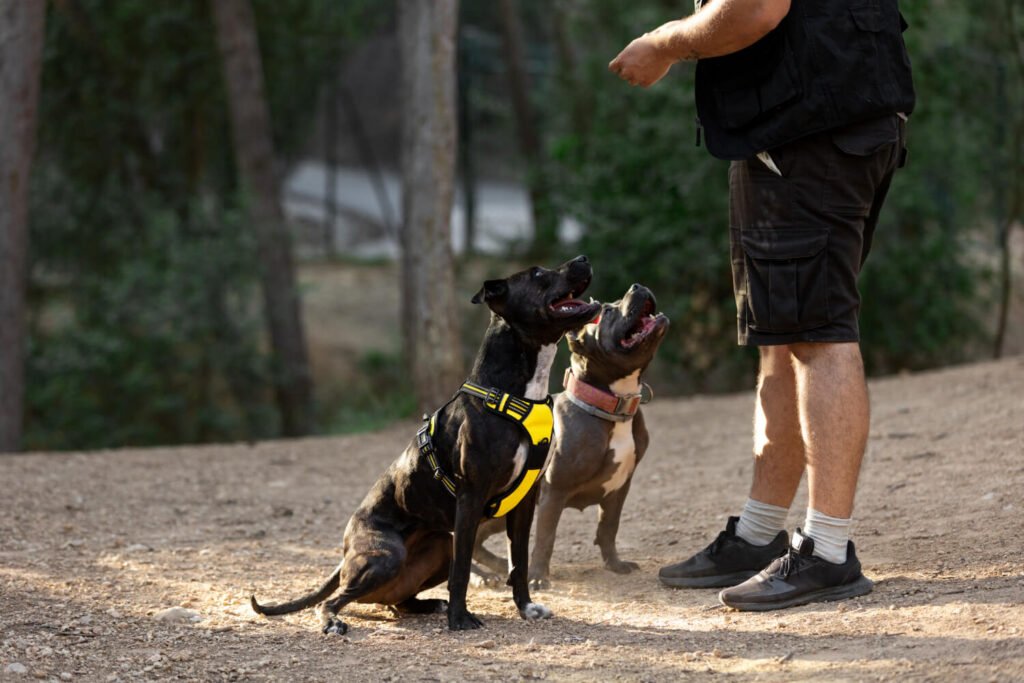
Use a basic tracking notebook for two weeks. Record date, time, weather conditions, duration of episode, behaviors observed, and what you did in response. Over a short period you Best Dog Training in Virginia Beach VA should see whether episodes align with thunderstorms, fireworks, or other neighborhood noises. That log is also invaluable to a professional trainer because it narrows the intervention focus and helps measure progress numerically.
Immediate steps that help right away There are practical mitigation steps you can start today that reduce harm and make training possible. These are not long-term cures by themselves, but they buy time and safety.
- Create a safe room with few windows, heavy curtains, and soft bedding, ideally an interior room on a lower level or closet space. Add white noise or a fan to mask low-frequency rumbles. Assemble a storm kit: calming treats, chew toys, a leash and harness rated for escape prevention, towels, and a snug garment like a pressure wrap or Thundershirt if your dog tolerates it. If your dog escapes panic by bolting, upgrade identification immediately: a microchip plus a visible tag that lists a local phone number; consider a GPS tracker on the collar. During an episode, keep your movements calm, use a quiet voice, and avoid punitive correction. If your dog approaches you, reward that approach with gentle touch or high-value treats; if your dog hides, do not force interaction.
These immediate modifications reduce risk and create a platform for training. They also make it safer to carry out counterconditioning and desensitization exercises.
Training approaches that work and those that do not I have worked with dozens of dogs across Virginia Beach and nearby neighborhoods, and certain approaches consistently deliver results.
What works Counterconditioning paired with gradual desensitization is the core. Counterconditioning replaces a fear response with a positive expectation. Desensitization reduces sensitivity by exposing the dog to very low levels of the trigger and increasing intensity only after the dog remains relaxed. For example, playing low-volume recordings of thunderstorms while offering favorite treats, then slowly increasing volume over days and weeks, helps many dogs form new associations. Sessions are short, frequent, and driven by the dog’s comfort.
Management is essential. If a dog practices escape behaviors or destructive coping at high arousal, those behaviors become habitual. Management includes physical barriers, safe rooms, and pre-emptive exercises to keep the dog calm before a storm hits.
Owner behavior modification is often underestimated. Humans must learn to deliver calm cues, consistent rewards, and avoid inadvertently reinforcing anxious behavior by over-reassuring or punishing.
Professional guidance matters. A skilled trainer local to Dog Training in Virginia Beach VA understands regional triggers like Fourth of July fireworks on the boardwalk, military training schedules, and seasonal storm patterns. Trainers with experience in severe noise reactivity can advise on when to involve a veterinary behaviorist for medication-assisted behavior modification.
What does not work Flooding, meaning high-intensity exposure to the trigger until the dog "gives up," is harmful. Punishment and shouting escalate fear and can cause defensive aggression. Relying solely on sedatives without a parallel training plan removes the dog’s ability to learn new coping strategies. Temporary fixes like constant holding or carrying a dog through storms create dependency and often worsen separation-related aspects of anxiety.
The role of medication and veterinary involvement Medication is not a failure. For dogs with severe storm phobia that prevents effective training, a veterinary behaviorist may recommend short-term pharmacological support. Meds reduce panic sufficiently so the dog can engage in counterconditioning. Common approaches include selective serotonin reuptake inhibitors for long-term management and fast-acting anti-anxiety medications for acute storms, used under professional supervision.
If you and your trainer consider medication, consult your veterinarian first, document the dog’s episodes with your two-week log, and discuss potential side effects. Many owners worry about lifetime reliance. In experienced programs, medication is often a bridge, not a permanent crutch. The goal remains to build coping skills that persist if medication is tapered.
A realistic training timeline and what to expect Training noise sensitivity is incremental. Expect measurable improvements in weeks for mild cases, and three to six months for moderate to severe cases when training is consistent. Some dogs show plateauing progress that responds to changes in the protocol, such as altering reward types, adjusting desensitization pace, or integrating medication briefly.
Progress should be tracked. Note episode length, peak arousal behaviors, and recovery time. If after eight weeks of consistent, documented training there is no improvement, reassess the plan with your trainer or veterinarian. Sometimes the issue includes a secondary component, such as hearing loss that changes how sounds are perceived, or a past trauma that needs more delicate shaping.
How leash training for dog ties into storm work At first glance leash training and storm anxiety seem unrelated, yet leash competence matters in emergencies. A dog trained to walk calmly on a leash, respond reliably to recall, and tolerate handling is easier to manage during evacuations or when you need to move them rapidly to a safe room. Leash training for dog scenarios in this environment should emphasize gentle pacing, a secure harness, and emergency recall cues. Practice short, high-value recall drills in low-distraction settings and gradually add mild distractions until the response is solid.
Selecting a trainer - what to ask and what to look for When you search for dog training near me or specifically for Dog Training in Virginia Beach VA, use a few practical criteria.
Ask whether the trainer uses positive reinforcement and if they have specific experience with noise sensitivity and storm anxiety. Request references or case studies that describe similar dogs and outcomes. A strong trainer will ask detailed intake questions, request your episode log, and outline a phased plan that includes home management, desensitization exercises, owner coaching, and measurable goals.
Visit a session if possible. Watch how the trainer interacts with both the dog and owner. Look for clear instructions that you can replicate, realistic timelines, and adaptive methods. Avoid trainers who promise a quick fix or demand shock collars or punitive techniques. Trusted local options such as Coastal K9 Academy often combine in-home sessions with remote coaching and structured homework, and will coordinate with your veterinarian when appropriate.
A sample weekly plan for moderate noise sensitivity To set expectations, here is a condensed example of a weekly rhythm you might follow, assuming you are working with a trainer or following a proven curriculum.
- Days 1 to 3: Short counterconditioning sessions twice daily, each five minutes — low-volume playback of the trigger paired with high-value treats, followed by calming activities like nose work. Days 4 to 7: Increase exposure time slightly while monitoring stress signals. Begin short practice of emergency recall and moving to safe room cues. Use management tools during naturally occurring storms for safety.
Repeat this rhythm and adjust intensity based on the dog’s comfort. The key is frequency, not duration. Brief, positive sessions create steady neural rewiring.
Common setbacks and troubleshooting Progress stalls are normal. Signs of setback include increasing avoidance, unexpected aggression when a dog’s options are limited, or regression during particularly intense storms. Troubleshoot by lowering the stimulus level, increasing reward value, and lengthening habituation periods. Sometimes the issue is owner inconsistency; ensure everyone in the household follows the same protocol.
If fear manifests as aggression toward people who try to help, prioritize safety. Invest in additional management measures, consult a professional, and avoid forcing interactions. In volatile cases, consult a veterinary behaviorist who can assess whether underlying medical issues contribute to the behavior.
Real-life examples A Labrador I worked with in the Kempsville area would bolt at the first roll of thunder. He tore screens and escaped through a dog door. Management alone was insufficient. We installed a storm-proof interior barrier, introduced a pressure vest that he accepted through play, and started very low-volume thunder recordings paired with his favorite canned food. Within six weeks his episodes shortened by roughly 50 percent, and after three months he sought out his safe room when the barometer dropped. Another case involved a terrier mix whose fear escalated to near aggression when restrained. There, a slow desensitization to handling, paired with medication for four weeks, allowed the dog to participate in training and regain confidence.
When to escalate to professionals If your dog consistently injures themselves, breaks containment, or shows escalating aggression when fearful, escalate without delay. Contact a trainer experienced in reactive and phobic behavior. If safety is compromised, involve a veterinary behaviorist for a comprehensive approach that may include medication. For many families, a combined plan implemented by a trainer such as Coastal K9 Academy, working with a vet, produces faster and safer results than DIY attempts alone.
Final persuasion: why invest in training now Storm seasons and fireworks are not seasonal inconveniences; they shape your dog’s long-term emotional state. Investing in a structured training plan yields returns you can measure: fewer ruined carpets, safer evacuations, restored routines, and most importantly, a dog that enjoys life more. Even modest progress reduces household stress and the risk of injury or lost pets.
If you have searched trusted dog trainer near me and are ready to act, prioritize a local trainer who understands the coastal context, blends counterconditioning with management, and provides owner coaching. Whether you choose professional support or a disciplined at-home program, the combination of patience, consistent practice, and sensible management will create real, lasting change in a dog’s response to noise sensitivities and storm anxiety.
Coastal K9 Academy
2608 Horse Pasture Rd, Virginia Beach, VA 23453
+1 (757) 831-3625
[email protected]
Website: https://www.coastalk9nc.com